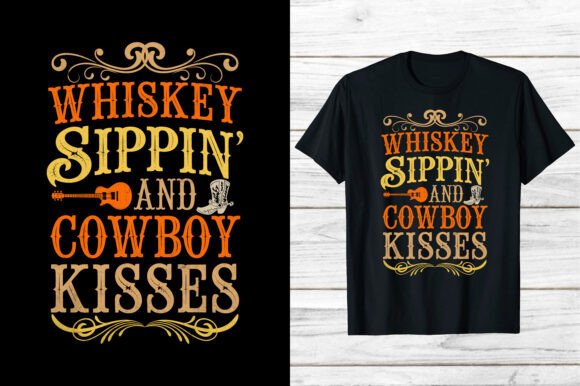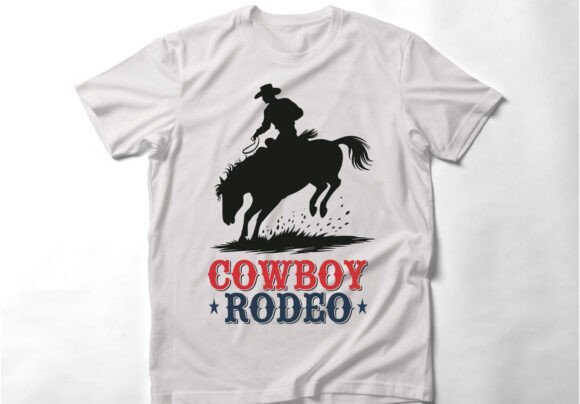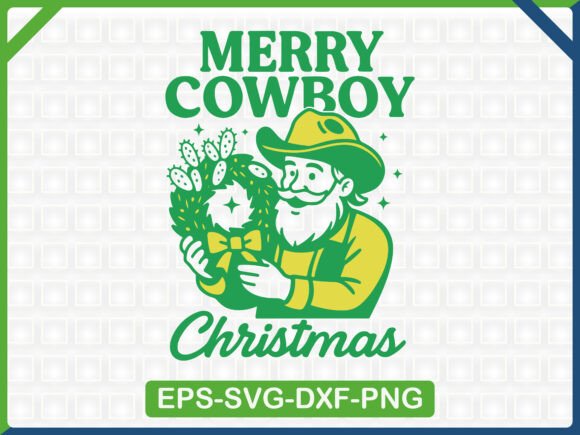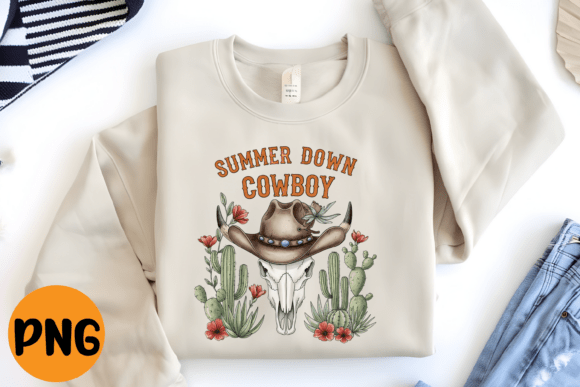
Cowboy Retro Funny Cat Embroidery Review
As a designer who spends more time troubleshooting stitch errors than sleeping, I approach every new T-Shirt Designs graphic with a healthy dose of skepticism. The market is saturated with generic clipart that looks terrible when digitized into thread. However, the Cowboy Retro Funny, Cat Design T Shirt caught my eye not because of its humor, but because of its potential for clean execution in a commercial embroidery project. I recently tested this design to see if it holds up under the needle, specifically looking at how it translates from a digital asset to a tangible, sellable product.
First Impressions and Visual Personality
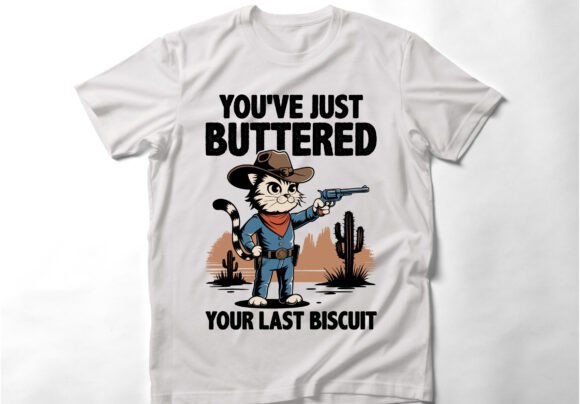
The immediate mood of this design is nostalgic yet playful. It taps into the "retro western" aesthetic without feeling dated or cluttered. For an embroiderer, the most critical factor in any machine embroidery design is clarity. Does the shape read correctly? Is there too much visual noise?
This particular cat illustration strikes a balance. The retro styling suggests bold lines and simplified shapes, which is exactly what you want when converting a graphic into an embroidery file. Unlike intricate photorealistic images that require thousands of stitches and look muddy on fabric, this design relies on strong silhouettes. When I laid out the mockups, the character’s personality shone through immediately. It feels like a piece that belongs on a high-quality custom apparel item rather than a cheap giveaway. The layout is centered and balanced, making it versatile for placement on chests, backs, or even as a standalone embroidered patch.
Real-World Application: The Boutique Scenario
To truly test the viability of this design, I imagined a specific use case: launching a small line of holiday gifts for a local craft fair. Specifically, I envisioned a series of embroidered aprons and tote bags marketed toward cat lovers who enjoy a bit of vintage flair. This is where the cowboy retro FunnyT Shirt Design shines.
Embroidering onto canvas totes or heavy cotton aprons requires a design that can handle tension without distorting. Because the design features distinct elements—likely the cat’s face, hat, and perhaps some text—it allows for varied stitch density. You can use a dense fill stitch for the main body of the cat to create texture, while using lighter running stitch or satin stitch for finer details like whiskers or text outlines. This variation keeps the finished product from looking like a flat plastic sticker; instead, it gains depth and tactile appeal, which significantly boosts the perceived value of a handmade product.
I also considered placing this on a sweatshirt for winter markets. The retro theme pairs exceptionally well with heavier fabrics. When customers hold a thick fleece sweatshirt featuring a crisp, well-defined cowboy cat, they perceive higher quality. It transforms a basic garment into a statement piece, increasing the likelihood of a sale at a craft business event.
Where Caution Is Required
However, no design is perfect, and there are scenarios where this Graphics asset needs careful handling. If you plan to use this on a curved surface like a baseball cap, you must be mindful of the curvature. Small details near the edges of the design may distort if the hoop doesn’t match the curve of the hat perfectly. Additionally, if you attempt to place this on very thin or stretchy fabrics without proper support, the fabric will pucker.
Another area requiring attention is color contrast. The description mentions that the file is color changeable, which is excellent for flexibility. However, embroidery relies heavily on thread opacity. A light pastel thread on a dark navy fabric might disappear, ruining the visual impact. Always ensure your thread colors have enough contrast against your chosen fabric background. I recommend testing the design on scrap fabric first to check how the threads interact with the weave of the material.
Technical Considerations for Stitching
When working with any digital embroidery file, especially one provided in multiple formats like AI, EPS, SVG, and PNG, you need to verify the digitization before committing to production. While the source files are editable, the actual stitch data depends on how the file was originally prepared.
- Hoop Size: Confirm the recommended hoop size for this design. If the design is large, ensure your machine can accommodate it without needing to re-hoop, which can misalign the image.
- Stabilizer Selection: For aprons and tote bag design applications, a cut-away stabilizer is often best to provide long-term stability, especially if the item will be washed frequently. For temporary projects like holiday embroidery on paper-backed items, tear-away might suffice.
- Detail Inspection: Zoom in on the digital preview. Are there tiny elements that might get lost in the stitching process? If the cat has fine fur details, they may clump together. Simplifying these areas manually in the software can save headaches later.
Commercial Viability and Branding
For Etsy sellers and small shop owners, the aesthetic of this design offers strong branding potential. The "retro funny" vibe appeals to a broad demographic, from millennials who love nostalgia to Gen Z consumers who appreciate quirky animal graphics. This versatility makes it a safe bet for inventory.
Furthermore, the inclusion of various file formats means you aren't limited to just embroidery. You can use the vector files for printable mockup creation, allowing you to list digital products alongside physical ones. This dual approach maximizes the return on investment for the design asset. Whether you are creating personalized gifts for weddings or mass-producing commercial embroidery items for retail, this design provides a professional foundation.
Final Verdict
The Cowboy Retro Funny, Cat Design T Shirt is a solid addition to any embroiderer’s library. It avoids the pitfalls of overly complex designs while offering enough visual interest to stand out on shelves. It works beautifully on sweatshirt embroidery projects, baby embroidery items (like burp cloths or onesies), and durable goods like kitchen towels.
My advice is to treat it as a premium asset. Use high-quality threads, pay attention to fabric texture, and ensure your finishing touches are impeccable. When executed correctly, this design doesn't just look good; it sells itself. It bridges the gap between a fun internet meme and a legitimate fashion statement, making it a reliable choice for anyone looking to expand their design assets with confidence.