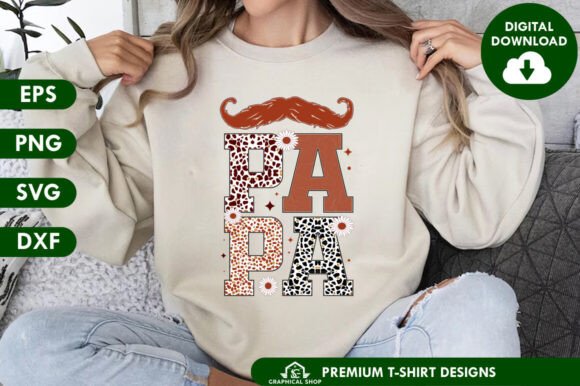
Distressed Papa Western T-shirt Embroidery Review
When I pull a new design file into my hoop, I am not just looking at pixels or vector paths; I am visualizing the thread tension, the fabric distortion, and the final tactile experience of the customer. Today, I am evaluating the Distressed Papa Western T-shirt, a graphic asset categorized under T-Shirt Designs and Graphics. While the source material presents itself as a Father’s Day shirt design with trademark-free quotes, my job is to determine if it holds up under the scrutiny of real-world machine embroidery.
The "Western" aesthetic has seen a massive resurgence in the craft business space. It appeals to a broad demographic, from rural boutique owners to urban dads who appreciate a rugged, vintage look. However, translating a digital PNG with a transparent background into a stitched reality requires careful consideration of detail, stitch density, and overall mood. Here is my practical breakdown of how this design performs when moved from screen to fabric.
First Impressions: Mood and Visual Personality
The immediate appeal of the Distressed Papa Western T-shirt lies in its intentional imperfection. The distressed texture suggests wear, history, and authenticity. In the world of handmade products, this translates to a sense of warmth and approachability. It does not feel corporate or sterile; it feels like a gift that comes from the heart. For an Etsy seller or a small shop owner, this emotional resonance is critical. Buyers are often looking for items that tell a story, and a western-themed papa design naturally evokes themes of family, heritage, and outdoor living.
Visually, the layout appears balanced for standard placement on apparel. Whether intended for the center chest or a left-side pocket area, the design commands attention without overwhelming the garment. The "western" motif typically involves bold lines and perhaps some serif typography, which can be challenging to embroider cleanly if the stitch count is too high. My initial assessment is that this design leans towards a classic, nostalgic vibe, making it highly suitable for holiday embroidery projects, particularly around Father’s Day, birthdays, or Christmas.
Real-World Application: Where This Design Shines
In my experience, certain designs thrive on specific substrates. The Distressed Papa Western T-shirt graphic is versatile enough to work across several categories, but some applications will yield a more professional finished product than others.
- Custom Apparel: As the name implies, this is ideal for t-shirts and sweatshirts. The distressed look pairs exceptionally well with heather grey or faded black cotton blends. On these fabrics, the contrast between the thread and the textured fabric enhances the rugged aesthetic. It creates a custom apparel piece that looks professionally branded rather than home-sewn.
- Tote Bag Design: Canvas tote bags are a staple for craft fair products. A western papa design on a natural canvas bag offers a strong visual pop. The sturdy nature of canvas supports the weight of the embroidery stitches, ensuring the design does not pucker or distort over time.
- Embroidered Patch: Converting this graphic into an embroidered patch allows for immense versatility. You can attach it to denim jackets, baseball caps, or even baby embroidery projects like bibs. Patches add a layer of dimension and durability, making them perfect for personalized gifts that need to withstand frequent washing.
- Baby Embroidery: While the theme is "Papa," the western motif can be softened for nursery decor or baby blankets. A smaller version of this design on a muslin burp cloth or a toddler’s hat can serve as a sentimental keepsake. The key here is scale; ensuring the details remain legible when reduced is crucial.
Technical Challenges and Areas for Caution
No design is without its pitfalls. When preparing to stitch the Distressed Papa Western T-shirt, there are several technical factors that require your attention to avoid a subpar result.
Stitch Density and Detail: Distressed graphics often rely on negative space and thin lines to create their effect. If the original PNG contains very fine details or tiny lettering, these may become lost in the stitching process. Dense stitch areas can cause puckering, especially on lighter fabrics. I strongly advise reviewing the stitch density before committing to production. If the design includes satin stitch elements for outlines, ensure they are wide enough to hold their shape but not so dense that they create a hard, plastic-like ridge.
Fabric Compatibility: This design should be used carefully on stretchy fabrics or thin materials without adequate support. Stretchy knits can distort the western shapes, leading to misaligned text or warped imagery. Always use a proper stabilizer—cut-away for permanent garments and tear-away for temporary items—to maintain structural integrity. Textured fabrics, such as heavy wools or bouclé, may hide the finer details of the distressing, so test on scrap fabric first to see how the thread colors interact with the weave.
Hoop Size Constraints: If you plan to use this as a small accent, such as on a cap brim or a small apron pocket, ensure the design fits within your smallest hoop size. Cropping a complex graphic can ruin the composition. Conversely, if the design is large, verify that your machine’s maximum hoop size accommodates it without requiring re-hooping, which can lead to alignment issues.
Color and Contrast Considerations
The success of any embroidery project relies heavily on thread colors. A distressed design often benefits from muted or earth-tone threads (browns, tans, olive greens) to enhance the vintage feel. However, if you are using bright, saturated threads, the design may lose its subtle character. Test your thread choices by creating a black and white mockup to check contrast levels. Ensure that light threads are not used on light fabrics, as the visibility will be poor. Similarly, dark threads on dark fabrics may disappear entirely unless a contrasting backing or underlay is used.
Commercial Viability and Customer Trust
For those selling this design as part of their craft business or Etsy listings, the quality of execution directly impacts buyer engagement and brand consistency. A poorly stitched version of the Distressed Papa Western T-shirt can undermine the perceived value of the item, making it look cheap despite the good graphic. On the other hand, a clean, well-executed embroidery project signals professionalism and care.
Customers trust handmade products when they see attention to detail. Consistent stitch quality, neat backings, and secure threads contribute to a premium unboxing experience. This is particularly important for commercial embroidery projects where repeat customers are expected. By ensuring the design is optimized for your specific machine and fabric types, you build a reputation for reliability. Furthermore, confirming licensing terms is essential. Even if the source claims the quotes are copyright-free, always double-check the terms before selling finished items or digital embroidery files to protect your small shop product from legal issues.
Final Verdict: Is It Worth Your Hoop Time?
The Distressed Papa Western T-shirt is a solid choice for designers looking to tap into the popular western and fatherhood niches. Its visual personality is warm, rugged, and marketable. It works beautifully on custom apparel, tote bags, and patches, offering flexibility for various handmade product lines.
To get the best results, treat it with respect during the digitizing and stitching phases. Pay close attention to stitch density, choose appropriate thread colors, and always test on scrap fabric. When executed correctly, this design transforms from a simple PNG into a cherished personalized gift or a high-value boutique branding asset. It is a reliable addition to any digital embroidery file library, provided you manage the technical expectations regarding detail and fabric compatibility.
Whether you are a seasoned pro or a hobbyist maker, this design offers a great opportunity to create meaningful connections through your craft. Just remember: the difference between a good design and a great finished product lies in the preparation. Check your stabilizers, inspect your needles, and let the quality of your work speak for itself.