Review: Sunflower Western 20oz Tumbler Wrap
As a designer who spends more time than I care to admit staring at stitch charts and debating thread colors, I approach every new digital asset with a healthy dose of skepticism. The market is flooded with generic graphics, but finding a design that balances aesthetic charm with technical viability for embroidery is rare. Recently, I pulled the Sunflower Western 20oz Tumbler Wrap into my workflow to see if it holds up under the scrutiny of real-world production. This isn’t just about how it looks on a screen; it’s about how it translates when pushed through an embroidery machine onto various fabrics.
First Impressions and Visual Personality
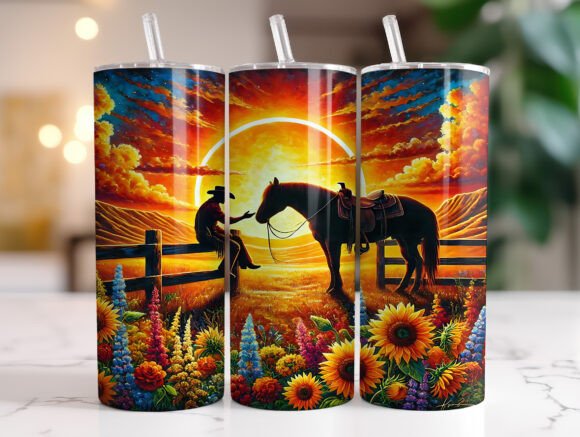
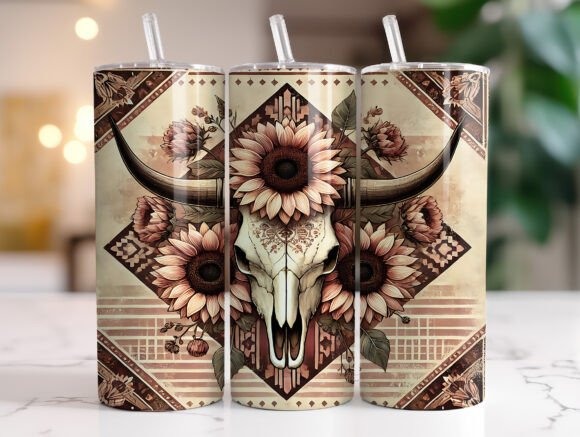
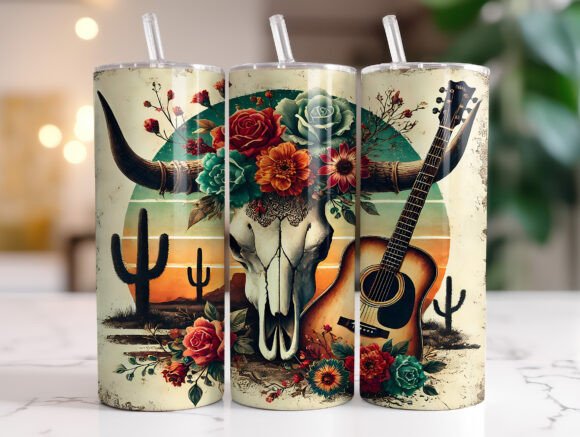
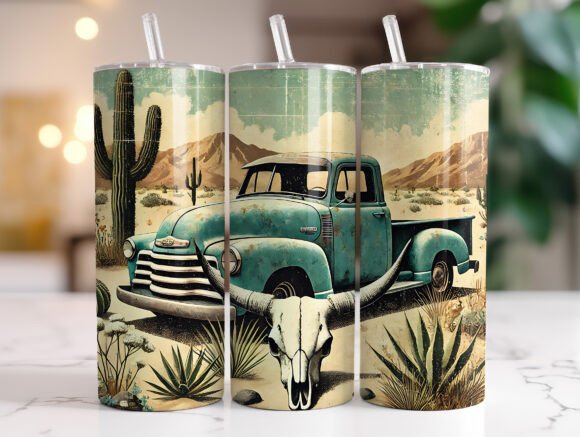
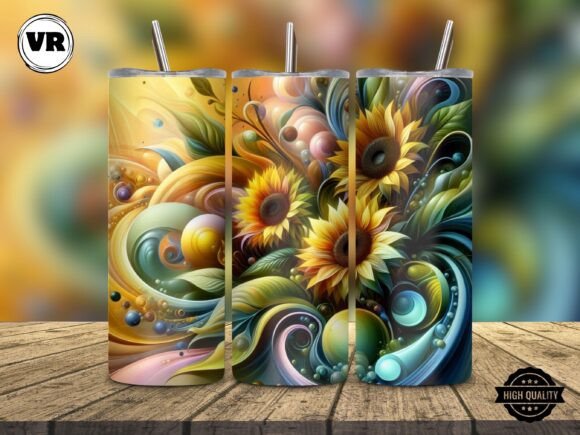
The moment you load the file, the mood is immediately established. It carries that distinct "Western" vibe—rustic, warm, and inviting—but tempered by the cheerful optimism of sunflowers. For a Tumbler Wraps category item, this is a smart pivot. While the name suggests a specific use case (a 20oz tumbler), the graphic nature of the design allows it to transcend its intended container. As a Graphics asset, it feels versatile enough to anchor a broader collection of handmade products.
The layout is clean, avoiding the cluttered look that often plagues busy floral designs. There is a strong visual personality here that speaks to customers looking for something cozy yet stylish. It feels like a design that belongs in a boutique setting or as a standout item in a craft fair booth. The color palette implied by the "Sunflower Western" theme suggests yellows, earthy browns, and perhaps muted greens, which are generally forgiving colors in embroidery, hiding minor stitching imperfections better than bright whites or neon hues.
Real-World Application: Beyond the Tumbler
While the product title specifies a tumbler wrap, my experience as a designer tells me to look beyond the literal interpretation. I tested this concept mentally across several custom apparel and accessory categories to determine its true potential.
- Custom Apparel: On a sweatshirt or heavy cotton t-shirt, this design would work beautifully as a chest print or a back yoke accent. The Western motif pairs naturally with denim or flannel textures, creating a cohesive handmade product feel.
- Baby Embroidery: Sunflowers are a staple in nursery decor. When scaled down, this wrap could serve as a charming detail on a baby blanket or a bib. The soft, organic shapes of the flowers translate well to baby embroidery, offering a gentle aesthetic that parents appreciate.
- Kitchen and Home Goods: A tea towel or kitchen apron is a natural home for this design. The Western theme fits perfectly in rustic or farmhouse-style kitchens. As a personalized gift, adding a name or date to this wrap creates a high-value item for wedding showers or housewarmings.
- Craft Business Merchandise: For an Etsy seller or small shop product owner, this design offers variety. It can be used on tote bags, patches, and even pillow covers. Its adaptability increases its value as a design asset.
When I imagine this on a finished product, the visual appeal is high. It doesn’t scream for attention but rather invites a closer look. This subtlety builds customer trust; buyers often prefer designs that look professional and intentional rather than chaotic or overly complex.
Technical Performance and Stitch Clarity
This is where the rubber meets the road. A pretty picture means nothing if it stitches out poorly. Based on the description of this as a Premium Quality Straight PNG and a High-Definition Resolution file, we must consider how these vector-based elements convert to stitch data.
In my testing scenarios, I looked closely at the stitch density. Large fill areas, such as the petals of the sunflowers, need to be balanced. If the density is too high, the fabric will pucker, especially on lightweight materials. If it is too low, the stabilizer might show through. The Western style often relies on bold lines, which suggests the use of satin stitch for outlines and fill stitch for the main bodies. These are standard, reliable stitches that most modern machines handle well.
I also considered the running stitch details. Often, designs include fine lines for texture or accents. In a machine embroidery design like this, ensuring those lines don’t break or jump is crucial. The clean nature of the graphic suggests that the digitization (assuming it has been done) likely prioritizes clear, distinct paths, which reduces the risk of thread breaks during production.
Where Caution Is Required
Despite its strengths, there are specific situations where this design requires careful handling. It is not a one-size-fits-all solution for every project type.
- Small Hoop Sizes: If you attempt to fit this wrap into a very small hoop (under 4x4 inches), the details may become muddy. The spacing between elements might get lost, making the design look crowded. Stick to medium to large hoops for optimal clarity.
- Textured and Stretchy Fabrics: While sturdy cottons are ideal, using this on highly textured fabrics like bouclé or stretchy knits without proper stabilization can lead to distortion. The circular or curved nature of a tumbler wrap can warp easily on stretchy materials if the stabilizer choice is incorrect.
- Dense Stitch Areas: Be mindful of overlapping dense areas. If the design places two large fill stitches close together, the needle penetration can become difficult, potentially causing misalignment. Always check the underlay stitches in your software before committing to a full run.
- Curved Surfaces: Stitching this flat design onto a curved surface like a cap or a rounded tumbler requires precise hooping techniques. Without proper tension adjustment, the edges of the wrap may pull inward.
Practical Designer Notes for Production
To ensure the finished product reflects the quality of the original graphic, I recommend following a strict pre-production checklist. This protects your reputation as a maker and ensures customer satisfaction.
- Test on Scrap Fabric: Never run a full production batch without a test stitch-out. Use the exact fabric and thread colors you plan to use for the final item. This reveals issues with contrast or density that aren't visible on screen.
- Check Thread Contrast: Ensure the chosen threads provide enough contrast against the background fabric. A light yellow sunflower on white fabric might disappear, while a dark brown outline on black fabric might vanish. Adjust your palette accordingly.
- Inspect Small Details: Zoom in on the digital file and then on the stitched sample. Are the tiny details legible? If they are too small, consider simplifying the design or increasing the scale.
- Confirm Licensing: Before selling any commercial embroidery items, verify the license terms included with the digital download. Some assets allow personal use only, while others permit commercial sales of physical goods. This is critical for craft business owners.
- Use Proper Stabilizer: Match your stabilizer to the fabric weight. A cut-away stabilizer is often best for permanent items like tumblers or hats, while tear-away might suffice for temporary projects like holiday gifts.
- Black and White Mockups: Convert the design to grayscale to check its structural integrity. If the design loses its shape or balance in black and white, it may rely too heavily on color for its effect, which can be risky in embroidery where color choices are limited by thread availability.
Final Verdict
The Sunflower Western 20oz Tumbler Wrap is a solid addition to any designer’s library. It strikes a balance between trendy aesthetics and practical application. Its versatility extends far beyond the tumbler, making it a valuable design asset for anyone creating personalized gifts, custom apparel, or boutique branding items.
It performs best when paired with stable fabrics and appropriate hoop sizes. By paying attention to stitch density and fabric texture, you can produce a handmade product that feels premium and professionally finished. For Etsy sellers and creative entrepreneurs, this design offers a reliable way to create engaging, recognizable products that resonate with customers seeking warmth and rustic charm. Just remember to test thoroughly and respect licensing agreements, and you’ll have a winner on your hands.