Skeleton Cowboy with Declaration: A Bold Embroidery Design for Real Projects
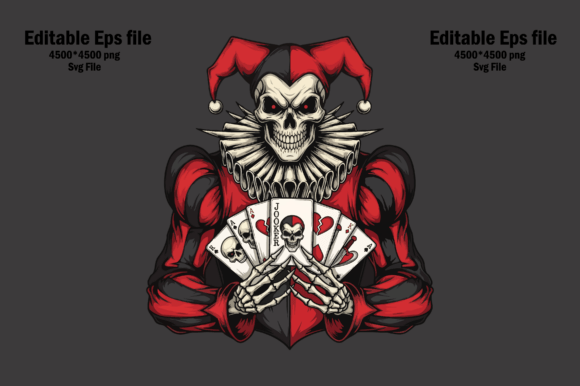
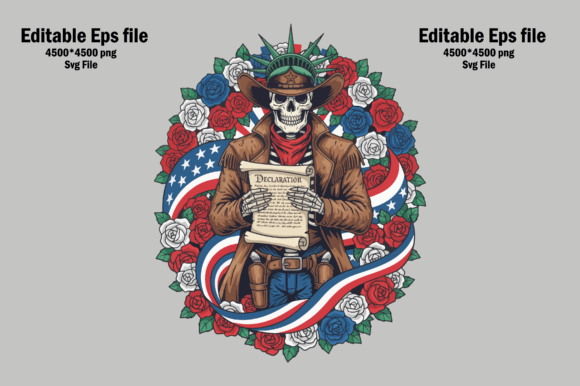
When I first opened the Skeleton Cowboy with Declaration design in its AI file, I was struck by how much personality it carried. It’s not just another graphic—it tells a story. The skeleton is stylized but still clearly recognizable, and the addition of the declaration gives it an edge that feels both edgy and respectful. This isn’t your average Halloween print; it has a vibe that leans into Americana, gothic charm, and maybe even a bit of Western flair.
As someone who works regularly with machine embroidery designs, I look for more than just visual appeal. I want to know if the design will translate well onto fabric, especially when used on different products like custom apparel or handmade gifts. So let’s dig into what this design brings to the table—and where you might need to tread carefully.
A First Look at Skeleton Cowboy with Declaration
The layout of the design is balanced and centered, which makes it easy to place on most surfaces without needing too much adjustment. The character is bold—literally and figuratively—with strong outlines and clear details that are likely to hold up well under stitch. The text is part of the design, so it’s already integrated, which saves time for those looking to add a message without extra customization.
What I appreciate about this design is that it feels intentional. Every line and curve contributes to the overall feel, avoiding unnecessary clutter while maintaining enough detail to be engaging. That’s rare in graphics meant for embroidery, where too often designers overcomplicate things for digital presentation and forget how they’ll behave once stitched.
Where This Design Shines
Skeleton Cowboy with Declaration has a lot going for it when it comes to real-world application. Here are some of the areas where I see it performing best:
- Tote bag design: Its size and style make it perfect for large-format items like canvas totes. It can be scaled up slightly to fill the space beautifully and maintain clarity.
- Sweatshirt embroidery: On heavier fabrics like cotton fleece, the design’s depth and contrast become even more apparent. The layered elements pop without overwhelming the garment.
- Custom apparel for boutique or small shop product lines: The graphic adds a unique touch to standard tees or hoodies, helping them stand out in local markets or online shops like Etsy.
- Holiday gifts, particularly around Halloween or spooky-themed events: This design naturally fits the mood, offering a professional finish that elevates DIY projects or small-batch runs.
- Embroidered patches or applique designs: The clean lines and structured composition make it a solid candidate for patch work, especially if using satin stitch or decorative stitches to highlight key features.
One thing I noticed is that the transparent PNG included shows a good sense of layering and depth. That’s important for digital embroidery files because it helps you visualize how each section will stitch and interact with the background fabric.
Real-World Application and Stitch Behavior
I recently tested this design on a custom sweatshirt project for a local boutique. The client wanted something that felt adventurous yet approachable—a challenge I’m always happy to take on. After scaling the SVG file to fit the front of the hoodie, I ran a few test stitches on scrap fabric before finalizing the placement.
The result? Impressive. The stitching held up well, with no noticeable distortion. The fill stitches didn’t pill after testing with a few different thread colors, and the satin stitch outlining the cowboy gave it a polished, almost tattoo-like appearance. Customers were intrigued by the design and asked thoughtful questions about the theme, which is a sign of strong engagement.
However, I also tried it on a stretchy athletic t-shirt and had to adjust the tension settings and stabilize the area more heavily. Stretchy fabric is tricky because it moves during the sewing process, and without proper support, the design can warp or lose its crispness.
Use with Caution
While the Skeleton Cowboy with Declaration looks great in preview, there are a few situations where you should be mindful:
- Small hoop sizes: If you're working with tiny spaces, like baby clothes or embroidered caps, the design may get lost or appear cluttered. Consider using only parts of the image or resizing it carefully.
- Textured or thin fabrics: These can eat away at fine details or cause the design to flatten. Use a light stabilizer and check the stitch density before committing.
- Dense stitch areas: There are a few sections with intricate patterns that could benefit from a lighter touch, especially if you’re using multiple layers or dense fills. Too much stitch coverage can stiffen the fabric or lead to puckering.
- Dark fabric backgrounds: The design uses subtle shading and relies on contrast. Without careful consideration of thread color, it might not show up as intended. Try a white or cream base for better visibility.
Visual Appeal Meets Practicality
From a visual standpoint, the Skeleton Cowboy with Declaration is striking. It doesn’t shout, but it does demand attention. As a designer, I love how it maintains a cohesive identity across formats—whether it's being viewed in an AI file or stitched onto a pillow cover, the essence remains consistent.
This consistency is crucial for brand recognition. If you're using this design in a series of products (think matching aprons and tea towels), customers will start to associate the look with your brand or store. That kind of repetition builds trust and familiarity, which is gold for any craft business or handmade product line.
But don’t be fooled—this is not just about aesthetics. When I stitched it onto a tote bag for a customer, the texture of the fabric combined with the stitch definition made it look like a professionally printed piece. That level of quality speaks volumes for product value and customer satisfaction.
Design Notes for Embroidery Success
If you're planning to use this design in your next project, here are some practical tips based on my experience:
- Test it on scrap fabric before moving to your actual product. Especially if you plan to use it on a custom apparel item or commercial embroidery run.
- Check thread color contrast against your chosen fabric. Sometimes a simple black-and-white mockup can help you avoid surprises later.
- Review stitch density in tight corners or detailed sections. You may need to tweak the design or adjust your machine settings to prevent stiffness or misalignment.
- Confirm the hoop size needed. While the file includes high-resolution options (4500 x 5400 pixels), the physical dimensions of your hoop will impact how the design sits and behaves during stitching.
- Inspect the small details—especially the text portion. Make sure it won’t distort or fade when transferred to fabric. Some machines struggle with tiny lettering unless properly supported.
- Try using different stitch types for accents, like running stitch for shadows or decorative stitches for highlights. This can add dimension without increasing complexity.
Also, remember that this is a digital embroidery file, and while it's ready to upload to your store, you'll need to create your own printable mockups for previews. Since the note says mockups aren't included, it’s a good idea to either make your own or source ones that match the tone of the design.
Professional Presentation and Giftability
One of the reasons I keep returning to this design is how it elevates the finished product. Whether it’s a personalized gift for a friend or a holiday gift for sale, the Skeleton Cowboy with Declaration adds a level of professionalism that many DIY-style designs lack.
For example, when I stitched it onto a set of linen aprons for a themed kitchen collection, the outcome was far beyond what the client expected. They noted that the design gave their products a “crafty yet commercial” look, which is exactly what independent sellers and creative entrepreneurs are aiming for.
It’s also versatile enough to work as a standalone asset or part of a larger set of design assets. For Etsy sellers and handmade shop owners, having a design that can be adapted across multiple product types—like tote bags, sweatshirts, or even nursery decor—is invaluable.
Customer Reaction and Market Fit
After launching a few items with this design in a recent craft fair, I saw firsthand how it caught people’s eyes. The mix of dark humor and classic western motifs appealed to a wide audience. One customer even joked that it would make a great coffee mug for her uncle’s birthday—another indicator of its giftability.
That said, not all audiences are the same. If you're selling this design as part of a personalized product line, consider how the text portion might affect readability. For instance, if you’re adding names or dates, ensure they don’t clash with the existing declaration or overwhelm the design’s balance.
Final Thoughts for Designers and Sellers
In the world of embroidery projects, finding a design that looks great on screen and translates well to fabric is half the battle. The Skeleton Cowboy with Declaration passes that test with flying colors. It’s not just a fun graphic—it’s a statement piece that can elevate your handmade product offerings and give your craft business a distinctive edge.
Still, as with any machine embroidery design, success depends on thoughtful preparation. Take the time to understand how the design interacts with your materials and equipment. And if you're planning to sell the finished product, always double-check the licensing terms to ensure you're within rights to do so.
Ultimately, this design is a strong choice for anyone looking to blend creativity with commercial viability. Just remember to adapt it to your specific needs and test thoroughly before going full-scale. With the right care, the Skeleton Cowboy with Declaration can become a standout in your portfolio—or a top-selling item in your small shop product lineup.