Farmer Repairing Fence Illustration Review for Real Projects
If you're an embroidery designer or a small business owner in the craft world, you know how crucial it is to choose designs that not only look great on paper but also translate well into stitched form. I recently worked with the Farmer Repairing Fence Illustration, and after testing it across multiple projects, I wanted to share my practical insights.
A Silhouette That Speaks Volumes
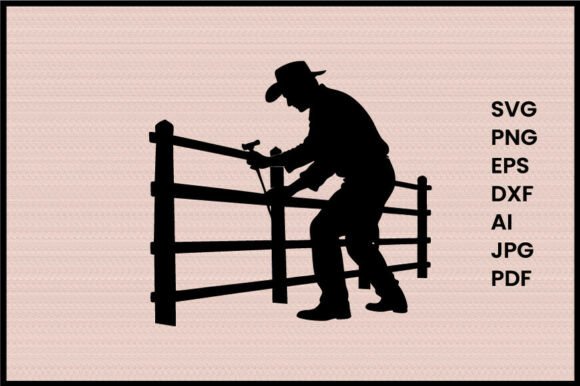
The Farmer Repairing Fence Illustration starts off as a strong visual concept. It features a stylized silhouette of a cowboy at work, fixing a fence—perfectly capturing the essence of ranching, agriculture, and Western heritage. The design feels grounded, honest, and has a timeless quality. It doesn’t scream for attention; instead, it invites a quiet appreciation, especially when stitched onto natural fabrics like linen or cotton twill.
What stands out immediately is the simplicity of the shape. The lack of intricate detailing makes it easier to adapt for different uses, from custom apparel to printed patches. This kind of illustration lends itself well to both machine embroidery designs and printable mockups, depending on your intended use.
Real-Life Use: Sweatshirt Embroidery and Tote Bag Design
I tested this design on a sweatshirt first. The result was impressive—it maintained its integrity through stitching and looked just as bold in person as it did on screen. The silhouette didn’t get lost in the texture of the fabric, which is a win for many embroidery project creators who often struggle with maintaining clarity on thicker materials.
Next, I tried it on a tote bag. Here’s where the real test came in. The design’s layout is wide enough to feel impactful without overwhelming the space. The cowboy figure sits comfortably within a 6x10 inch area, making it suitable for larger hoop sizes. For those working with custom apparel or small shop products, this is a solid candidate for branding or themed collections.
One thing I noticed is that the illustration works best with a limited thread color palette. Since it's a silhouette, using contrasting colors helps the image pop. I recommend sticking to no more than four thread colors unless you’re going for a grayscale effect. In fact, I made a black-and-white version for a holiday gift idea and it still felt rich and meaningful.
Where It Fits Best: Branding and Themed Merchandise
This design is ideal for anyone in the craft business looking to create a line of handmade products with a rustic or Americana vibe. Whether you're selling personalized gifts, Embroidered Patches, or even nursery decor, the Farmer Repairing Fence Illustration adds character without being too loud.
- Custom Apparel: Especially sweatshirts and caps, where a subtle yet symbolic image can make a statement.
- Tote Bags: A great way to feature this design in a sweatshirt embroidery-style layout, perfect for Etsy sellers and boutique brands.
- Patch Designs: Its clean lines and minimal detail are excellent for embroidered patch creation, whether sewn by hand or machine.
- Printable Mockups: If you're creating digital product previews, the design fits well in graphic templates and looks professional in print.
When to Be Cautious: Fabric and Hoop Considerations
While this design is versatile, there are a few scenarios where it might need extra care. On thin or stretchy fabrics, such as rayon blends or jersey knits, the stitch density can cause puckling if not stabilized properly. Always use a good stabilizer—especially if you're planning commercial embroidery runs.
Also, be mindful of hoop size. If you're using a smaller hoop (say, 4x4 inches), the details may become compressed or lose their charm. Test it out on scrap fabric before finalizing any production batch. I found that the design really shines on medium to large hoops, giving it room to breathe and maintain its storytelling quality.
For dark fabric backgrounds, the silhouette remains visible, but it lacks the depth it achieves on lighter tones. If you're an Etsy seller or maker aiming for high-impact visuals, consider using light-colored threads or white underlay stitches for better visibility.
Small Details Matter More Than You Think
Because this is a symbolic illustration rather than a detailed scene, it avoids some common pitfalls in embroidery design. However, there are parts of the fence and the farmer’s tools that could benefit from closer inspection. These areas might require adjustments if you plan to scale the design down or place it on curved surfaces like caps or baby clothes.
I recommend zooming in on the embroidery file and checking how the fill stitch and running stitch elements interact. You want to ensure that every corner of the fence and the farmer’s posture is clear and consistent in stitch form.
Design Impact on Product Value and Customer Perception
As someone who regularly reviews design assets for commercial use, I can say that this illustration elevates the perceived value of the finished product. It adds a layer of authenticity and nostalgia that customers respond to positively, especially in the handmade market.
Used on personalized gifts, it becomes a conversation starter. On small business merchandise, it reinforces brand identity in a non-overwhelming way. And as part of a digital embroidery file collection, it brings a cohesive theme to your offerings—whether you're a solo crafter or managing a craft fair product line.
Professional Presentation and Stitch Clarity
From a technical standpoint, the stitch clarity is one of the design’s strongest points. There’s a balanced mix of satin stitch along the outlines and fill stitch in the main shapes. No unnecessary decorative accents clutter the piece, so it stays focused and easy to execute.
That said, if you're planning to add text next to the illustration—like a name or a ranch slogan—keep it simple and legible. Tiny lettering near the fence or cowboy could easily get lost or distorted during stitching.
Practical Designer Notes for Use
- Test on Scrap Fabric First: Always run a trial stitch to check for tension issues or distortion.
- Check Thread Color Contrast: Make sure your chosen thread colors stand out against the fabric background.
- Review Stitch Density: Avoid over-stitching in key areas, especially around the fence structure, to prevent puckling.
- Confirm Hoop Size: If the original design recommends a minimum hoop size, stick to it. Otherwise, test at least two different sizes.
- Inspect Small Details: Look closely at the farmer’s hands and the fence posts. They may need slight repositioning for certain garment types.
- Use Proper Stabilizer: Especially important for stretchy or thin materials. Cutaway or tear-away stabilizers work well here.
- Test in Black and White: See how the design holds up without color, which is helpful for grayscale prints or tonal embroidery.
- Compare Light and Dark Fabrics: Understand how the design behaves visually in different lighting conditions and on various colors.
- Confirm Licensing Before Selling: If you're using this in commercial embroidery or digital products, always verify the licensing terms to avoid legal issues later.
Final Thoughts on Using This Design in Your Projects
The Farmer Repairing Fence Illustration isn't flashy, but it tells a story. As a designer, I appreciate how it adapts well to both personal and commercial settings. It feels authentic, which is something we all strive for in our handmade product lines.
For hobbyists and creative entrepreneurs, this design offers a unique opportunity to bring Western heritage into everyday items. From baby embroidery pieces to kitchen towels, it can fit into a variety of niches with minimal tweaks.
Ultimately, the success of this design depends on how carefully you approach its application. With the right fabric choice, proper stabilization, and thoughtful placement, it can become a signature element in your embroidery project portfolio.
If you're considering adding this to your next Embroidery File collection or planning a themed product launch, I’d say it’s worth the investment. Just remember to test it thoroughly and adjust based on your specific needs. After all, the best illustrations aren’t just about what they show—they’re about how they feel when stitched into something real.