Cowboy Hat Review: Western Embroidery Design
When I first opened the Cowboy Hat Drawing. Western Country Styl file, my immediate thought was about versatility. As a designer who spends hours judging files for stitch quality and visual impact, I don’t always get excited by simple line art. However, this particular design caught my attention because it strikes that difficult balance between rustic charm and modern graphic simplicity. It isn’t just a clipart image; it feels like a foundational element ready to be transformed into a wearable piece of art.
The mood created by this illustration is distinctly relaxed yet bold. The western country style offers a nostalgic vibe that resonates deeply with specific audiences, from rodeo enthusiasts to fans of farmhouse decor. But more importantly for us in the embroidery community, the clean lines and isolated presentation on a white background suggest that this vector-based asset has been prepared with digitizing in mind. It promises clarity when translated from digital graphics into physical thread.
First Impressions and Visual Personality
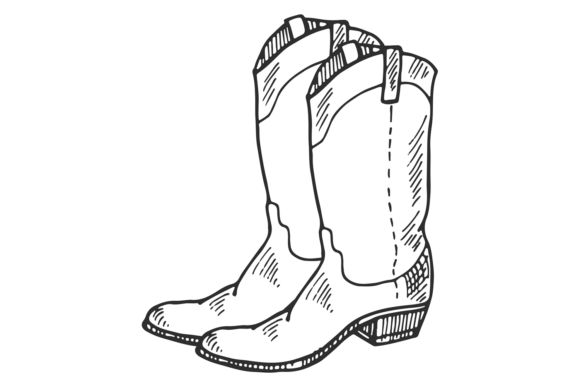
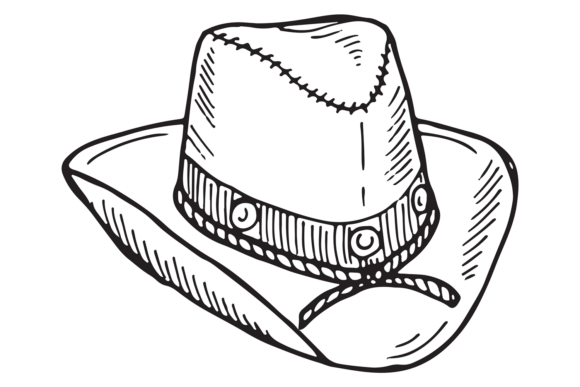
The layout of the Cowboy Hat Drawing. Western Country Styl is straightforward, focusing entirely on the silhouette of the hat. There is no clutter, which is a massive advantage when you are preparing a custom embroidered tote bag or a sweatshirt. In an era where consumers are overwhelmed by busy patterns, this design allows the wearer’s personality to shine without competing with the artwork. The shape feels confident, suggesting a high-quality finished product that looks intentional rather than rushed.
From a graphic design perspective, the isolation of the subject is crucial. Because the source material provides EPS, JPG, SVG, and transparent PNG formats, we can easily integrate this into various workflows. Whether I am creating a boutique branding package or designing a printable mockup for an Etsy listing, having a clean vector outline means I can scale the design up for a large chest print or down for a small pocket detail without losing resolution. This adaptability is exactly what makes it a strong candidate for commercial embroidery projects.
Real-World Application: From Screen to Stitch
I recently put this design to the test, imagining it as part of a personalized gift for a client who loves outdoor festivals. I envisioned the Cowboy Hat Drawing. Western Country Styl applied to a heavy cotton canvas tote bag. The western theme pairs naturally with durable fabrics, but the real challenge lies in how the embroidery translates those sharp vector angles into soft textile reality.
In this scenario, the design would likely perform well as a satin stitch outline or a combination of fill stitches. For a tote bag, the sturdy fabric can support the density required to make the hat’s brim pop. Alternatively, I considered using it for baby embroidery items, such as a onesie or a burp cloth. Here, the simplicity works in our favor. Parents often look for gender-neutral, timeless designs for their little ones, and a stylized cowboy hat fits perfectly into nursery decor themes or holiday embroidery collections.
Another practical application I explored was an embroidered patch. If used as a standalone motif, the clean edges allow for easy applique techniques or dense stitching around the perimeter. This could be attached to caps, hats, or even aprons for a chef who enjoys a touch of western flair. The design’s ability to function as both a primary focal point and a subtle accent makes it a valuable asset for any craft business looking to diversify its inventory.
Where Caution Is Required
While the design is versatile, it is not without its challenges. We must consider where the Cowboy Hat Drawing. Western Country Styl should be used carefully. One area to watch is small hoop sizes. If the design is scaled down too much, the details may become muddy during the stitching process. Fine lines that look crisp on screen might merge together if the stitch count is insufficient, leading to a loss of definition.
Fabric texture also plays a significant role. On highly textured fabrics, such as chunky knits or boucle wool, the smooth lines of the drawing might get lost. Similarly, thin or stretchy fabrics require proper stabilizer usage to prevent puckering, especially if the design utilizes heavy fill stitches. If you are planning to use this for custom apparel like t-shirts, ensure that the fabric weight can support the structure of the embroidery.
Dense stitch areas should be monitored closely. If the digitization places too many stitches in a small space, the fabric may pucker, distorting the shape of the hat. Additionally, when working with dark fabric, thread color contrast becomes critical. A standard black or dark brown thread might disappear against a navy or charcoal background, so testing light versus dark thread options is essential before committing to a full production run.
Practical Designer Notes for Success
To ensure the best results, I recommend several steps before finalizing your embroidery project. First, always test the design on scrap fabric that matches the texture and weight of your final material. This helps you gauge how the Cowboy Hat Drawing. Western Country Styl interacts with the weave of the cloth.
- Check Thread Colors: Compare different thread palettes. Sometimes a contrasting thread color enhances the graphic nature of the design, while a tonal approach creates a more subtle, sophisticated look.
- Review Stitch Density: Ensure the digitized file does not have excessive underlay stitches that could cause bulk. A balanced stitch density ensures durability and comfort.
- Confirm Hoop Size: Verify that the design dimensions fit comfortably within your machine’s hoop size, allowing enough margin for handling.
- Inspect Small Details: Zoom in on the digital preview to identify any tiny elements that might not stitch out clearly. Simplifying these areas can improve the overall finish.
- Test in Black and White: View the design in grayscale to check for contrast issues. This helps predict how the design will look once stitched, independent of color distractions.
Furthermore, consider the end-use of the finished product. If the item is a personalized gift or a small shop product intended for frequent washing, durability is key. Proper stabilizer selection—whether tear-away, cut-away, or wash-away—will significantly impact the longevity of the embroidery. For items like sweatshirt embroidery or kitchen towels, a cut-away stabilizer is often preferred to maintain shape over time.
Impact on Brand and Customer Trust
Using a well-executed design like Cowboy Hat Drawing. Western Country Styl directly influences customer trust. When buyers see a clean, professional-looking embroidery job, they associate it with quality craftsmanship. This is particularly important for Etsy sellers and digital product sellers who rely on visual appeal to drive sales. A sharp, clear design suggests that the creator cares about details, which encourages repeat business and positive reviews.
The western theme also taps into a sense of tradition and authenticity. In a market saturated with generic trends, offering products with a distinct cultural or stylistic identity can help your brand stand out. Whether it’s for a holiday gift collection or a craft fair display, the design evokes a feeling of warmth and nostalgia that resonates with customers.
Ultimately, the success of this machine embroidery design depends on thoughtful execution. By respecting the limitations of the medium and leveraging the strengths of the graphic, you can create handmade products that feel both artisanal and polished. The Cowsey Hat Drawing. Western Country Styl provides a solid foundation for creativity, allowing designers to focus on the emotional connection of the final piece rather than worrying about flawed source art.
As you explore integrating this into your commercial embroidery workflow, remember to verify licensing terms if you plan to sell the finished items. Understanding the rights associated with the Illustrations and Graphics ensures that your craft business remains compliant and professional. With careful planning and attention to stitch quality, this design has the potential to become a staple in your repertoire, appealing to a wide range of clients from hobbyists to serious entrepreneurs.