Woman in Cowboy Hat Hugging Brown Horse Embroidery Design Review
As an embroidery designer who's tested countless digital files for real-world application, I approach every new design with a mix of curiosity and practicality. The Woman in Cowboy Hat Hugging Brown Horse caught my eye not just for its visual charm but for how it might translate into tangible projects like custom sweatshirts, tote bags, or even nursery decor. This is the kind of design that invites thoughtful consideration—especially when it comes to choosing the right product, fabric, and technique.
First Impressions: A Warm, Nurturing Scene
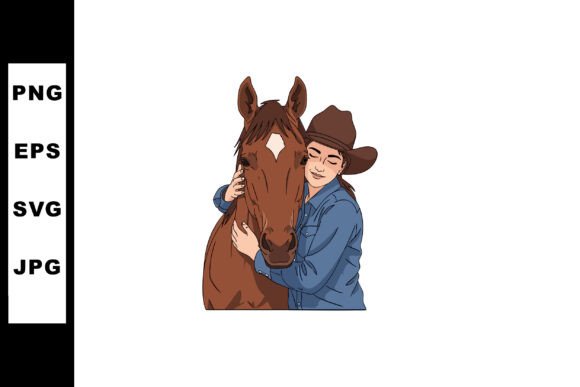
The illustration of a woman in a cowboy hat hugging a brown horse immediately evokes a sense of calm, care, and connection. It’s a scene rooted in ranch life but softened by the gentle mood and warm palette. The layout is balanced, with both the human and animal figures centered, creating a harmonious composition. The lines are clean enough for embroidery but detailed enough to feel personal and expressive.
Visually, this design has a story to tell. It speaks to themes of love, nature, and rural lifestyle without being overtly literal. As someone who often works with clients looking for designs that resonate emotionally, I can see how this could become a favorite for personalized gifts, especially those meant to celebrate family bonds, pet lovers, or country-themed décor.
Real-World Applications and Visual Personality
This design fits naturally into several project types. For example, imagine using it on a sweatshirt embroidery piece for a boutique selling cozy, themed apparel. The soft colors and rounded shapes make it ideal for a relaxed look. Similarly, as a tote bag design, it brings a touch of personality and warmth to everyday carry items, perfect for Etsy sellers or small shop owners aiming to create unique, handcrafted products.
In a custom apparel setting, the design’s emotional tone makes it suitable for holiday gifts, baby clothes (like a onesie or sleeper), or even wedding favors if you're going for a rustic theme. Its adaptability extends to embroidered patches and aprons where a central motif adds character and purpose. Because it's a full-color illustration, it also works well in printable mockups or digital product previews for online stores.
Design Details and Stitching Potential
When evaluating machine embroidery designs, I always consider stitch density and detail complexity. The Woman in Cowboy Hat Hugging Brown Horse includes a range of elements—from facial expressions to clothing textures—that will need careful attention when digitized. While the downloadable ZIP includes SVG, EPS, JPG, and PNG formats, these are more suited for layout and mockup use rather than direct stitching. You’ll want to ensure the final embroidery file you choose maintains the integrity of the original artwork while being feasible for your machine.
For instance, the horse’s fur and the woman’s outfit may include areas that require a combination of fill stitch and satin stitch. These sections should be examined for potential distortion, especially if you plan to use them on stretchy or textured fabrics. High stitch density might be necessary for fine details, which means stabilizer becomes a key factor in preventing puckering or shifting during the embroidery process.
Where to Use with Caution
- Small hoop sizes: The design's scale might be too large for smaller embroidery hoops unless you’re willing to simplify or resize it significantly. Always test the proportions before committing to production.
- Textured or thin fabrics: Due to the level of detail and potential for dense stitching, this design may not hold up well on very thin or heavily textured materials like flannel or canvas unless properly stabilized.
- Stretchy or curved surfaces: If you're planning to apply this to something like a cap or curved surface, be prepared to adjust the placement and possibly break the design into sections for better results.
- Dark fabric backgrounds: The muted tones of the illustration may lose contrast against darker bases. Consider thread color options or adding a white underlay for visibility.
- Products needing frequent washing: Especially if applied to baby clothes or kitchen towels, the design must be stitched securely and with durable threads to avoid fading or fraying over time.
Thread Colors and Fabric Compatibility
One thing to note about the machine embroidery design is the reliance on subtle shading and color blending. When converting from an illustration to an embroidered graphic, it’s essential to evaluate whether the thread colors used in the digitized version match the intended aesthetic. In some cases, especially with light-colored horses and hats, the difference between thread shades can be minimal, so testing on scrap fabric is recommended.
If you're working with a client who wants this for a personalized gift, you might suggest using a pastel fabric base to enhance the softness of the image. Alternatively, for a more dramatic effect, black fabric with multi-toned threads could work—but again, test first to ensure clarity and impact.
Practical Notes for Embroidery Designers and Crafters
- Test on scrap fabric: Before stitching anything final, run a test to check for any issues with stitch flow or detail accuracy.
- Check thread color contrast: Make sure the colors pop against your chosen background. Darker hues might need a white running stitch underneath for better definition.
- Review stitch density: Dense areas, particularly around the face or clothing, may cause puckering if not managed carefully. Adjust accordingly based on your machine and fabric.
- Confirm hoop size: If the design is larger than expected, don’t force it into a smaller hoop. Instead, consider resizing or breaking it into parts for patch-style applications.
- Inspect small details: Look closely at the woman’s hat and the horse’s features. These may require special handling or adjustment to maintain their visual appeal after stitching.
- Try a black and white mockup: Sometimes, what looks great in color doesn't translate well in monochrome. This helps you assess whether the design will still be legible in grayscale or with fewer thread colors.
- Compare fabric backgrounds: Test the design on different fabric colors and textures to determine where it shines best.
- Use proper stabilizer: Especially important for delicate or stretchy fabrics. Tulle, cut-away, or tear-away stabilizers can all play a role depending on the material and design complexity.
- Verify licensing: If you're planning to sell finished products or digital assets, double-check the licensing terms included with the digital embroidery file to avoid legal issues down the line.
Customer Appeal and Brand Consistency
From a business perspective, this design has strong visual appeal and would likely attract buyers looking for meaningful, handmade products. Whether it's part of a craft business collection or an Etsy listing, the Woman in Cowboy Hat Hugging Brown Horse can add a layer of storytelling to your offerings. It’s versatile enough to align with multiple branding styles—from rustic and farmhouse to modern boho.
Its handmade presentation feels intentional and authentic, which is crucial for customer trust. People buy into the idea of craftsmanship, and this design supports that narrative well. Just be mindful of how it scales across product types to maintain consistency in your brand’s visual language.
Final Thoughts on Real Project Use
The Woman in Cowboy Hat Hugging Brown Horse isn’t just another graphics file—it’s a thoughtful illustration with potential for deep emotional resonance. However, as a seasoned embroiderer, I know that beauty alone doesn’t guarantee success. The way it translates into a finished product depends on your choice of fabric, thread, hoop size, and digitization quality.
For commercial embroidery or high-volume production, this design will require a bit more preparation than a simple logo or phrase. But for specialty items like nursery decor, holiday gifts, or small shop merchandise, it’s a compelling addition that elevates the perceived value of your work.
Ultimately, this is a design that deserves to be seen and felt in person. Treat it with care, and it will reward you with a standout embroidery project that customers will appreciate—and remember.