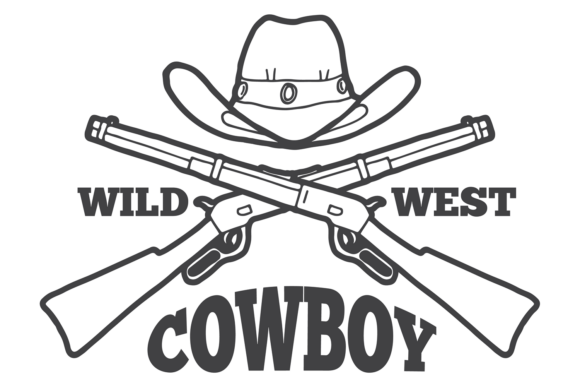
Wild West Emblem with Riding Cowboy on H
When I pull a new machine embroidery design into my hoop, I am not just looking at pixels; I am visualizing the needle movement, the thread tension, and the final texture of the fabric. Today, I am evaluating the Wild West Emblem with Riding Cowboy on H, a graphic asset categorized under Illustrations and Graphics. While the source files are listed as EPS, JPG, SVG, and transparent PNG, my focus is strictly on how this image translates when converted into an embroidery file for real-world production. This review is for the crafters, Etsy sellers, and boutique owners who need to know if this design will hold up under the scrutiny of a paying customer.
First Impressions: Mood and Visual Personality
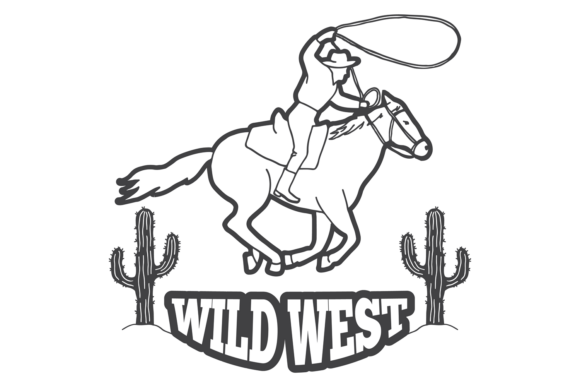
The moment you load the Wild West Emblem with Riding Cowboy on H, the mood is instantly established. It carries that rugged, nostalgic energy associated with classic Americana. The isolated cowboy figure suggests motion and adventure, which makes it a strong candidate for brands that want to evoke a sense of freedom or heritage. However, from a designer’s perspective, the "Emblem" aspect is crucial. Emblems rely on clean boundaries and balanced composition. If the original illustration is too busy, the embroidery conversion can become muddy.
In its current state as a digital asset, the design feels bold. It has a clear focal point—the rider—which allows the eye to rest. This is excellent for custom apparel where you want the logo to be readable from a distance. The layout suggests it could work well as a chest logo on a shirt or a central motif on a tote bag. But does it have enough detail to justify the stitching time? That is the question we must answer before committing to production.
Real-World Application: Where This Design Shines
I recently considered using this design for a batch of personalized gifts for a client’s small business launch. They were creating branded merchandise for a western-themed event. The Wild West Emblem with Riding Cowboy on H fit their brand identity perfectly. Here is how I see it performing in specific scenarios:
- Tote Bag Design: When placed on a sturdy canvas tote, the emblem acts as a statement piece. The contrast between the rough fabric texture and the smooth satin stitches of the cowboy outline creates a tactile appeal that customers love. It elevates a simple bag into a handmade product with character.
- Sweatshirt Embroidery: For fall collections, this design works beautifully on heavyweight cotton blends. The western theme resonates strongly during autumn months. I recommend placing it on the left chest area for a subtle, professional look, or centered on the back for a bolder fashion statement.
- Embroidered Patch: If you plan to turn this into a detachable patch, the emblem shape provides a natural border. You can add a simple satin stitch border around the entire graphic to keep the edges clean and prevent fraying, making it perfect for jackets or denim vests.
- Baby Embryoidery: Surprisingly, this works well for nursery decor or baby blankets. The "H" element could be customized with a child’s initial, turning a generic western scene into a personalized gift. Just ensure the details are simplified so they don’t overwhelm the soft fabric.
For Etsy sellers and small shop products, versatility is key. This design bridges the gap between masculine ruggedness and playful nostalgia, allowing you to target a broader audience than a standard cowboy hat clipart might.
Technical Considerations and Stitching Challenges
Not every graphic converts equally well to thread. The Wild West Emblem with Riding Cowboy on H presents specific challenges that every embroiderer must address before hitting start.
Stitch Density and Detail: If the original illustration contains fine lines or tiny text, these may disappear in a small hoop size. Fine details often clump together, resulting in a blob rather than a defined shape. I advise checking the stitch density carefully. If the design relies on thin running stitches for facial features or horse reins, consider simplifying those areas or increasing the scale of the design to ensure clarity.
Fabric Texture Compatibility: This design looks best on stable, medium-weight fabrics. Avoid using it on highly textured materials like chunky knits or bouclé, as the uneven surface will distort the satin stitch outlines. Similarly, stretchy fabrics like spandex blends require a strong stabilizer to prevent puckering, especially if the design covers a large area.
Color Contrast: Since the source is isolated on white, you have full control over thread colors. However, always test your thread colors against your fabric. A dark navy cowboy on a black shirt might lack definition. Lighter threads, such as cream, tan, or light grey, often pop better on darker backgrounds, enhancing the western aesthetic without losing detail.
Where to Use Carefully
There are certain applications where this design might struggle:
- Small Hoop Sizes: If you try to fit this emblem into a 4x4 inch hoop, the details will likely become indistinguishable. Ensure your hoop size accommodates the full width of the emblem without cropping essential elements.
- Curved Surfaces: Embroidering directly onto curved items like caps can be tricky. The flat nature of the emblem might not follow the curve of the hat smoothly, leading to distortion. It is better to embroider this on a flat patch first and then attach it to the cap.
- Thin Fabric: On delicate materials like silk or thin rayon, the weight of the embroidery thread can cause sagging or visible puckering on the reverse side. Always use a cut-away stabilizer for longevity.
Practical Designer Notes for Production
Before adding the Wild West Emblem with Riding Cowboy on H to your commercial catalog, follow these steps to ensure quality:
- Test on Scrap Fabric: Never go straight to the final product. Run the design on a scrap piece of the same fabric to check for tension issues and color clashes.
- Black and White Mockup: Convert the design to grayscale in your editing software. This helps you identify areas where the stitch density might be too high or too low, ensuring balanced visual weight.
- Check Licensing: Even though this is sold as a digital asset, confirm whether you have commercial rights to sell finished embroidered items. Some licenses restrict resale or limit the number of units produced.
- Inspect Small Details: Zoom in on the digital file. Are there any jagged edges or disconnected paths that could cause the machine to jump excessively? Clean up the vector path if necessary before converting to an embroidery file.
- Stabilizer Selection: Use a heavy-duty cut-away stabilizer for woven fabrics and a tear-away for non-wovens, depending on the garment type. Proper stabilization is the difference between a professional finish and a warped mess.
Final Verdict
The Wild West Emblem with Riding Cowboy on H is a solid choice for designers looking to add a touch of western flair to their inventory. It offers a balance of recognizable imagery and adaptable layout, making it suitable for everything from holiday embroidery projects to year-round commercial embroidery goods. Its strength lies in its clear visual hierarchy, which translates well to thread when sized appropriately.
For the creative entrepreneur or maker, this design provides a reliable foundation for building a cohesive brand identity. Whether you are decorating kitchen towels, creating pillow covers, or launching a line of apparel, this emblem adds a layer of professionalism and thematic consistency. Just remember to respect the technical limitations of embroidery—test thoroughly, choose the right fabrics, and prioritize stitch clarity. When executed correctly, this design will not only look good but also feel like a premium finished product that customers are proud to own.