St. Patrick s Day Green Cowboy Boots
As a designer who spends more time staring at stitch density charts and fabric swatches than scrolling through social media, I approach every new digital asset with a healthy dose of skepticism. The market is flooded with generic holiday graphics that look fine on a screen but fall apart when translated into thread. Recently, I pulled St. Patrick s Day Green Cowboy Boots from the Illustrations category to see if it holds up under the scrutiny of real-world embroidery production. This isn’t just about whether the file opens correctly; it’s about whether the final stitched product will make a customer say, “I need this,” or simply toss it in a drawer.
First Impressions and Visual Personality
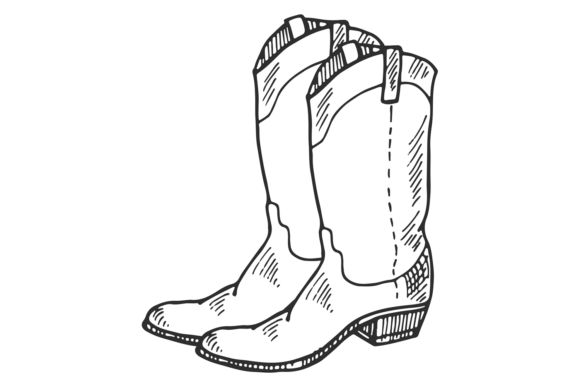
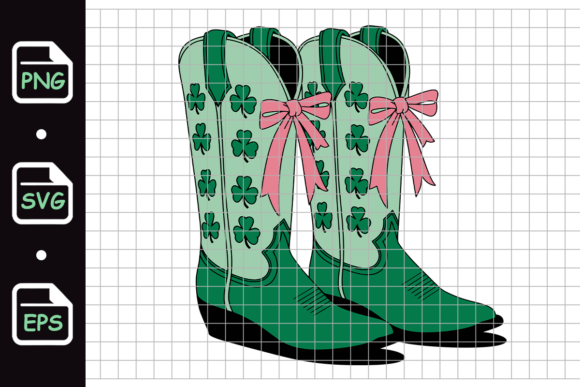
The moment you load the vector files—SVG, EPS, and high-resolution PNG—the design communicates its intent immediately. It strikes a balance between rustic charm and festive cheer. The subject matter, cowboy boots rendered in varying shades of green, taps directly into the St. Patrick’s Day aesthetic without relying on cliché shamrocks or leprechauns. For an Etsy seller or small shop owner looking to differentiate their holiday inventory, this visual personality is a strong asset. It feels curated rather than mass-produced.
The layout is clean, offering ample negative space which is critical for embroidery. Unlike dense, cluttered designs that can look muddy when stitched, this graphic allows the individual elements to breathe. The lines are crisp, suggesting that the underlying vector paths are well-constructed. For those of us who create custom apparel or personalized gifts, this clarity translates to fewer errors during digitizing or machine execution. The mood is playful yet grounded, making it suitable for a wide demographic, from hardcore crafters to casual gift buyers.
Real-World Application: From Screen to Stitch
I put this design through its paces by simulating several common project scenarios. The versatility of the included formats means it can be adapted for various mediums, but let’s focus on where it truly shines: textile-based products.
Tote Bags and Canvas Totes: This is perhaps the most natural fit. A bold, centered placement of the green cowboy boots on a sturdy canvas tote creates an instant statement piece. The design works beautifully as a standalone graphic or paired with simple text like “Lucky” or “Party Ready.” Because the file includes transparent PNG options, previewing these mockups is seamless. The contrast between the vibrant green threads and neutral canvas fabrics tends to pop, increasing the perceived value of the handmade product.
Holiday Apparel and Sweatshirts: When considering sweatshirt embroidery, scale is everything. On a chest pocket area, the boot motif provides a subtle nod to the holiday without being overwhelming. On the back or full front, it becomes a focal point. However, designers must be mindful of the fill stitch areas. If the digitization uses too much coverage, the garment may feel stiff. Used sparingly with appropriate satin stitches for outlines, it maintains comfort while delivering high visual impact.
Kitchen and Home Decor: Tea towels and aprons are another excellent use case. The theme fits perfectly in a kitchen setting, especially for hosts preparing St. Patrick’s Day meals. The design adds a touch of humor and warmth to functional items. Similarly, pillow covers benefit from the rectangular composition often found in these types of illustrations, allowing the boots to sit comfortably within standard hoop sizes.
Technical Considerations and Fabric Compatibility
No design exists in a vacuum. The success of St. Patrick s Day Green Cowboy Boots depends heavily on how it interacts with different materials and stabilizers.
Fabric Texture: Smooth fabrics like cotton twill or polyester blends offer the best results, ensuring that satin stitches lay flat and details remain sharp. Textured fabrics, such as heavy denim or boucle wool, can obscure finer details. If you are working with a thick weave, you may need to simplify certain elements or increase the stitch length slightly to prevent puckering.
Small Hoops and Delicate Items: While the design is versatile, caution is advised when scaling it down for baby clothes or tiny embroidered patches. In small hoop sizes, intricate curves can merge together, losing definition. Always test at 100% scale on scrap fabric before committing to the final garment. Thin or stretchy fabrics require additional support; using a proper stabilizer is non-negotiable to maintain the integrity of the shape.
Dense Stitch Areas: If the design relies heavily on fill stitches, ensure your machine settings account for thread tension. High-density areas can lead to needle breakage or thread bunching if not executed correctly. Review the stitch density in your digitizing software to confirm that the design is optimized for efficient stitching without sacrificing detail.
Strategic Placement for Maximum Appeal
Where you place the design affects how customers perceive the item. Center-chest placements work well for caps and hats, creating a classic, recognizable look. For tote bags, a vertical orientation often looks more balanced. When designing for commercial embroidery projects, consider the target audience. A younger demographic might appreciate a larger, bolder print, while a boutique clientele might prefer a smaller, more refined version on a linen apron.
Practical Designer Notes for Execution
Before adding this to your production workflow, keep these practical tips in mind to ensure a professional finished product:
- Thread Color Contrast: Test the design against both light and dark fabric backgrounds. Green threads can sometimes get lost on darker greens or clash with busy patterns. Neutral backgrounds usually provide the safest and most striking contrast.
- Black and White Mockups: Convert the design to grayscale to check for contrast issues. If the shapes blend together in black and white, they will likely struggle in color, especially after washing.
- Stabilizer Selection: Match your stabilizer to the fabric weight. Cut-away stabilizers are generally safer for knit fabrics or garments that will undergo frequent washing, while tear-away works well for stable wovens like tote bags.
- Licensing Verification: Since this is a digital product intended for resale, double-check the license terms. Ensure you have the right to sell physical items made from the design. Commercial embroidery rights vary, and assuming permission can lead to legal issues.
- Scrap Testing: Never skip the test run. Stitch the design on a scrap piece of the actual fabric you plan to use. This reveals potential issues with tension, hooping, or thread compatibility that simulations cannot show.
Final Verdict on Value and Usability
St. Patrick s Day Green Cowboy Boots is a solid addition to any designer’s library for the spring season. It avoids the trap of being overly kitschy while still capturing the spirit of the holiday. The inclusion of multiple file formats (SVG, EPS, PNG) makes it adaptable for both embroidery and other digital uses, such as printable mockups or web assets.
For the craft business owner, this design offers a reliable way to capitalize on seasonal trends without reinventing the wheel. It appeals to a broad audience, from those looking for a unique gift to individuals wanting to express their love for country culture and Irish heritage simultaneously. The key to success lies in thoughtful execution: choosing the right fabric, using quality thread, and paying attention to detail during the stitching process.
If you are an Etsy seller or handmade shop owner looking to expand your St. Patrick’s Day collection, this graphic provides a strong foundation. It is professional, visually engaging, and technically sound. Just remember that the best embroidery comes from respecting the medium—test thoroughly, plan your layout carefully, and let the quality of the stitch work speak for itself. When done right, a simple pair of green cowboy boots can become a bestseller.